[IaCConf Virtual Event] Why open-source IaC is far from dead
Terraform Cloud Alternative
Spacelift is a Terraform Cloud alternative that offers a predictable pricing model, freeing you from resources-under-management (RUM) pricing. But cost is just the start: Spacelift lets you build sophisticated multi-IaC workflows for output sharing, advanced scheduling, automated drift detection and remediation, self-service infrastructure, and more.
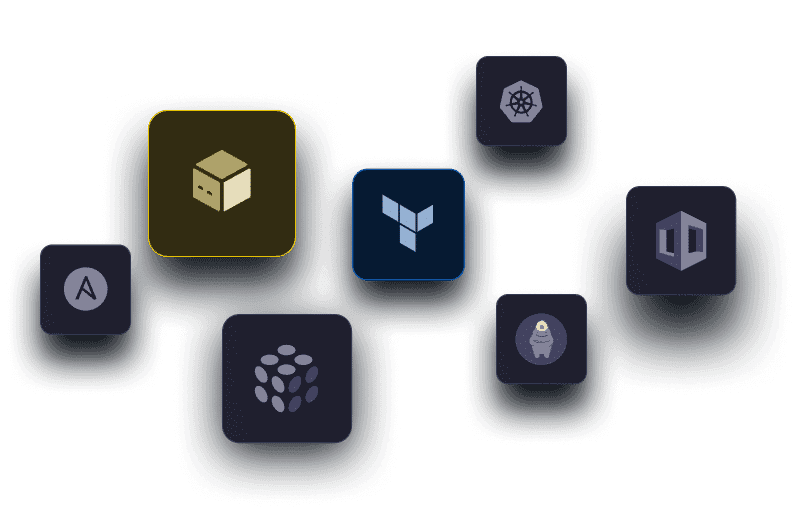
One workflow for every IaC tool you run
Future-proof your IaC: Spacelift supports Terraform, Terragrunt, OpenTofu, Custom Terraform, Kubernetes, Ansible, CloudFormation, and Pulumi.
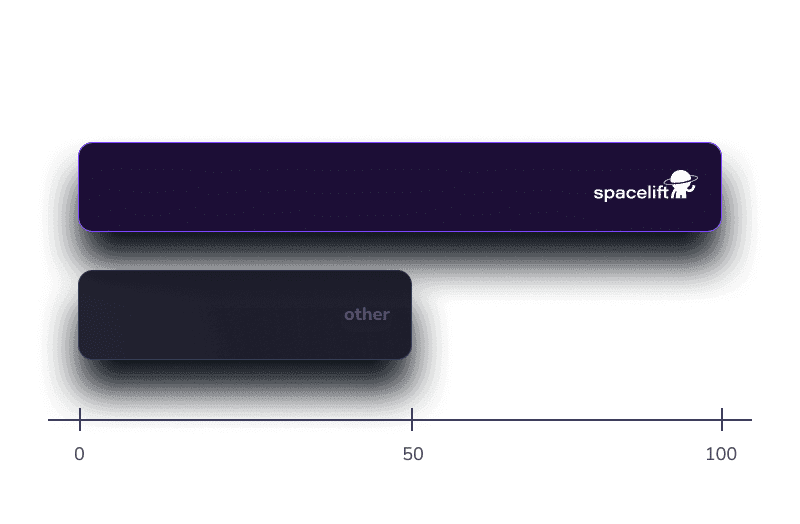
Pricing that stays predictable as you scale
Concurrency-based pricing scales with you for optimal value and offers unlimited plan and approval policies, even in the free tier.
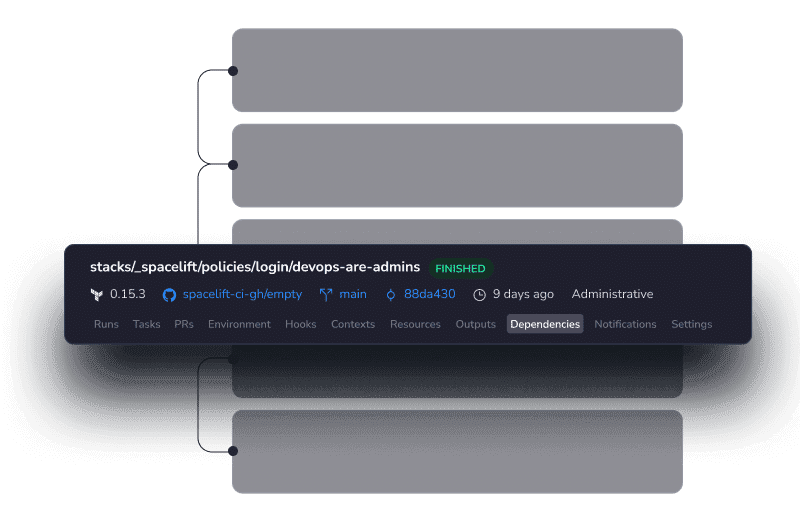
Intelligent governance across your entire infrastructure lifecycle
Enforce policies at every decision point, splitting deployments across multiple stacks, with dependency-based failure detection and comprehensive inventory tracking to manage all resources.
Trusted by top companies, including:


















Spacelift vs Terraform Cloud


Pricing model
Concurrency-based
Resource-based (RUM)
IaC & Infrastructure Framework Support
Terraform
Terragrunt
OpenTofu
Kubernetes
Ansible
Cloud Formation
Pulumi
Terraform
Terragrunt
OpenTofu
Kubernetes
Ansible
Cloud Formation
Pulumi
Dependencies Workflow
Nested workflows and passing outputs with stack dependencies
Limited (Terraform Stacks only)
Policies across various decision points
You can control almost any aspect of the platform through policies
Policies focused on run stages
Integrations
Unlimited
Limited to Run tasks
Full-Workflow Control
Full control over your workflow
Predefined workflows with limited customization
Targeted Runs
Native
Only with env var
Atlantis-style workflow
Plan and apply on pull request
Plan only
Resource Management
Full inventory management solution including visualization, lifecycle tracking, search, and filtering
Resource view only per workspace
Custom Tasks
Run arbitrary tasks on the stack level & task scheduling
No
Private Workers
Yes
Yes
Terraform Provider
Yes
Yes
VCS Integrations
GitHub
GitLab
BitBucket
Azure DevOps
Raw Git
GitHub
GitLab
BitBucket
Azure DevOps
Raw Git
Drift Detection
Yes
Yes
Advanced Scheduling
Yes
No
SSO (OIDC & SAML)
Yes
Yes
State Management
Managed + optional ability to use other backends
Managed only
Credential-less integrations with AWS, Azure, and Google Cloud
Yes
Yes
Flexible Support
Yes
Yes
Private Registry
Yes
Yes
Cost Estimation
Yes
Yes
Why is Spacelift the best alternative to Terraform Cloud?
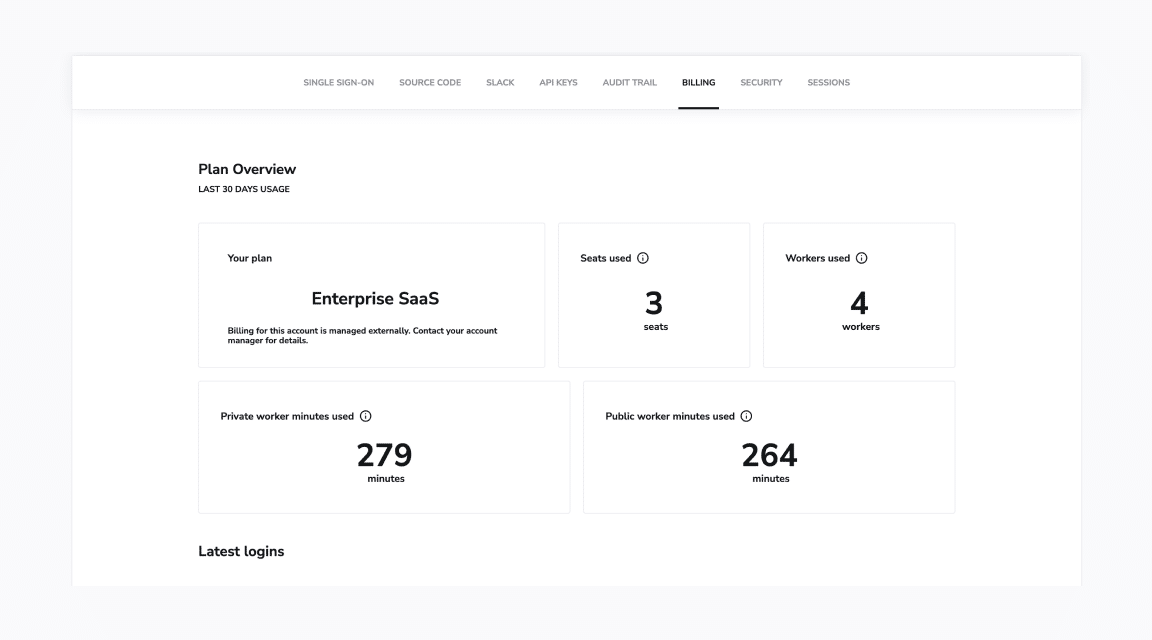
Predictable pricing
Terraform Cloud pricing aligns your bill to the number of managed resources, so the more infrastructure you add, the more you pay. And the free and standard tiers restrict the features your team actually needs. Spacelift pricing is based on concurrency, not resource count, so it’s always predictable. Some teams see a 5x IaC cost reduction!
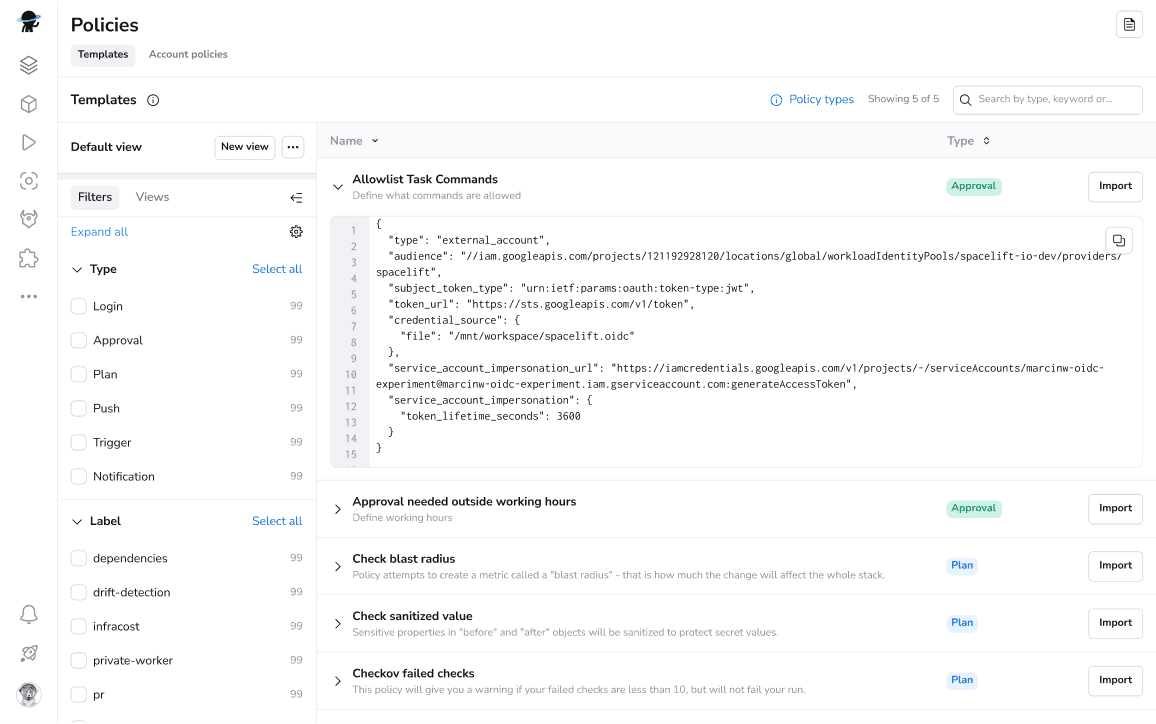
Governance built in
When governance lives at the end of the run, approvals stack up and exceptions move to Slack. Spacelift evaluates policy as work happens, so guardrails guide the run rather than block it.
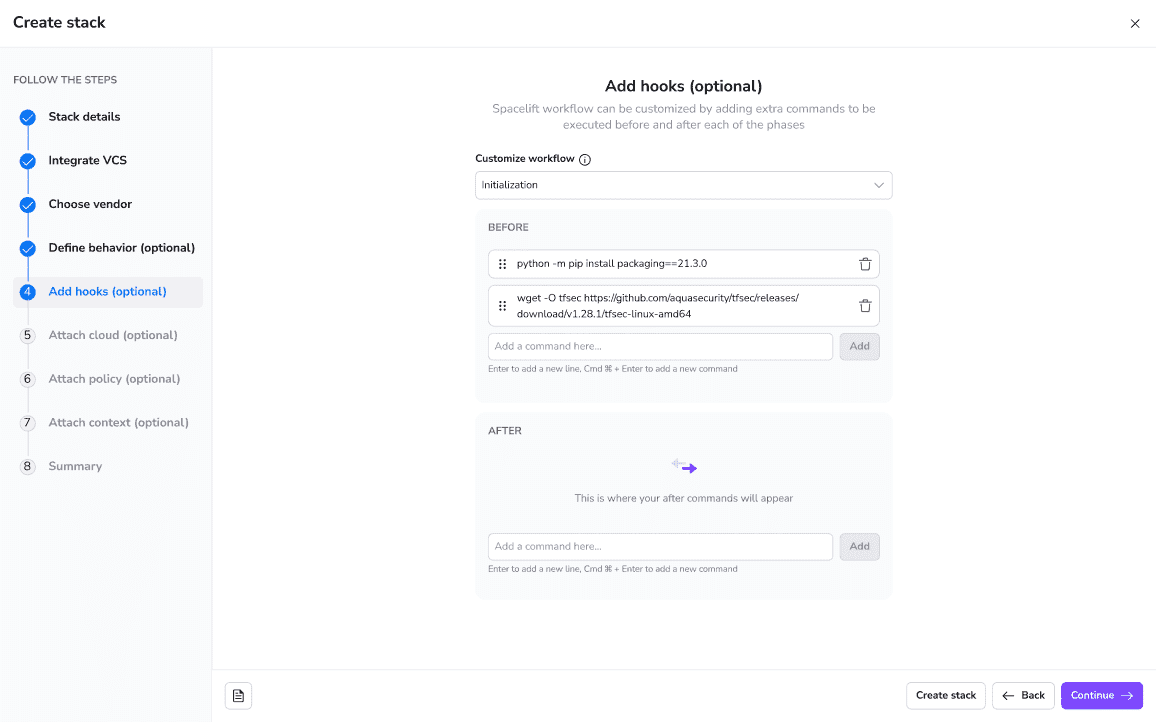
Automated workflows
If your platform only handles the run, everything around it becomes glue code and coordination overhead. Spacelift models dependencies and context so changes move forward without Slack threads and manual handoffs.
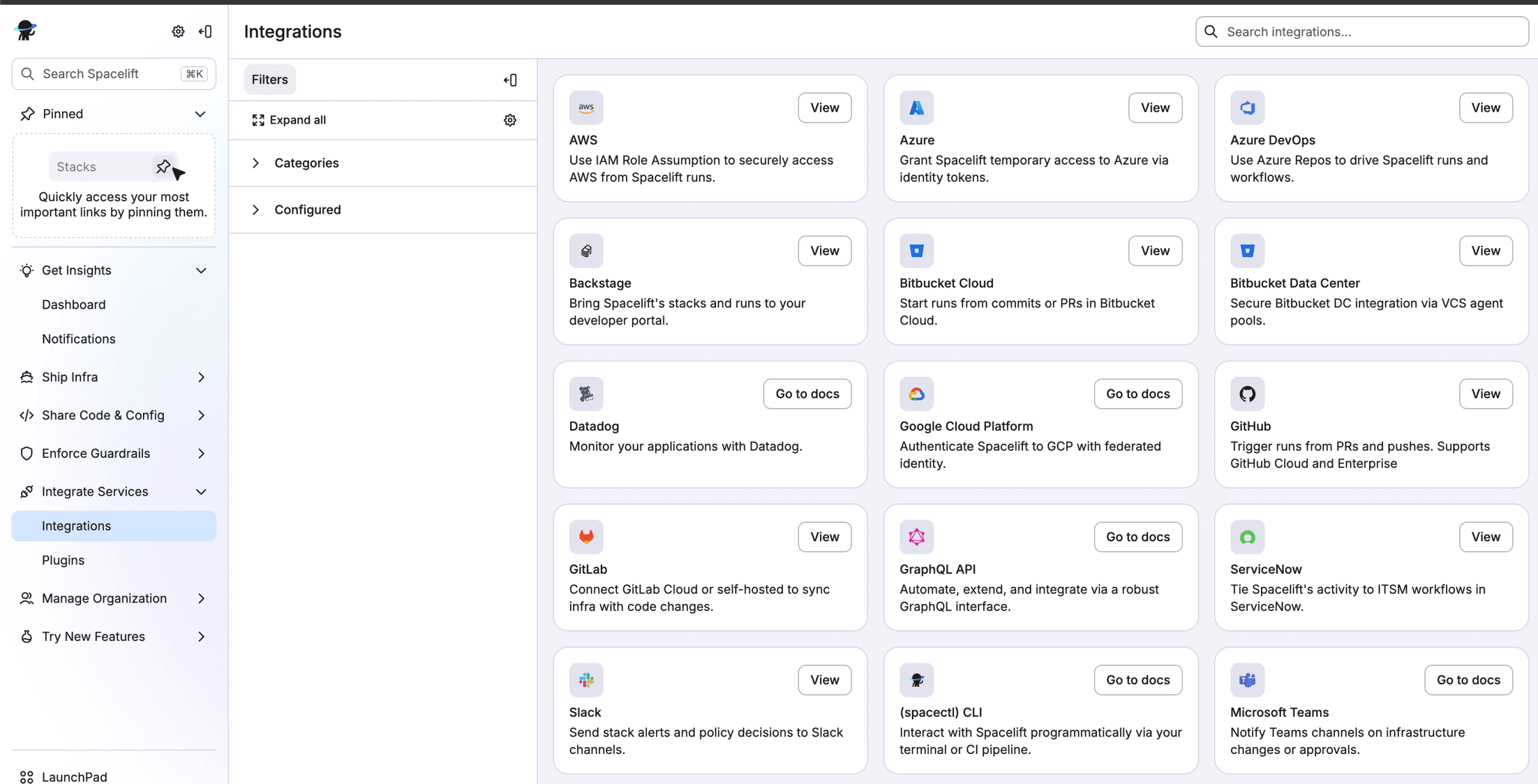
Multi-tool by design
Your infrastructure pipeline doesn’t end at Terraform. When your stack is built around a single tool, adding a second means rebuilding. Spacelift supports Terraform, OpenTofu, Kubernetes, Ansible, and more from one workflow, so you add tools without starting over.
Built for what's next
You know how fast the IaC ecosystem moves: OpenTofu, AI-driven provisioning, FedRAMP-regulated environments are just the start. Your platform should keep pace, not set the ceiling. Spacelift evolves with the ecosystem.
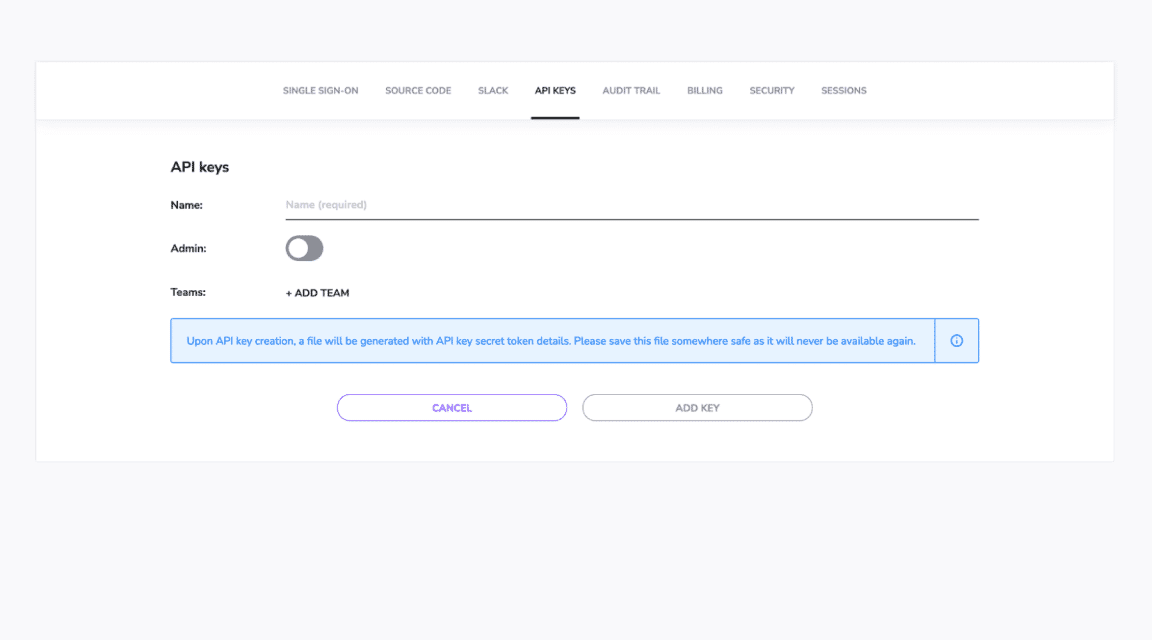
Easy migration
Rebuilding stacks, remapping state, and reworking workflows slow most platform migrations teams down before they’ve started. The Spacelift Migration Kit maps your Terraform Cloud workspaces to stacks and brings state with you, so migration is a transition, not a rewrite.
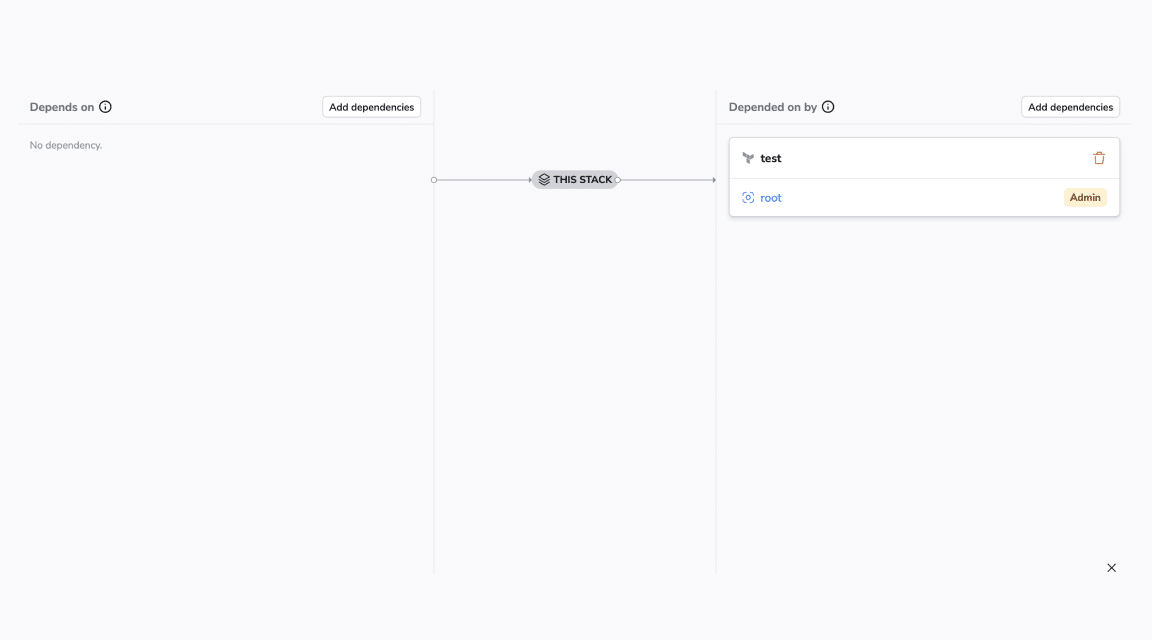
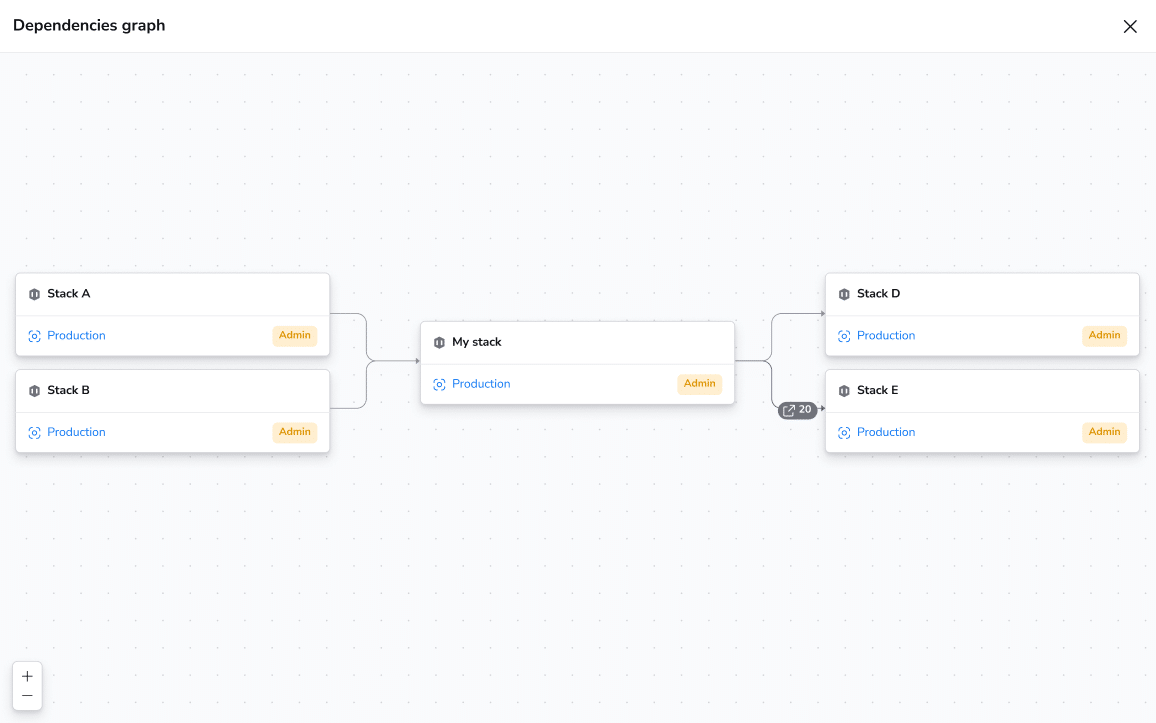
Explicit dependencies
When stack relationships live in people’s heads, a small change becomes an incident waiting to happen. Spacelift models dependencies as first-class objects, making order, outputs, and orchestration explicit and reliable.
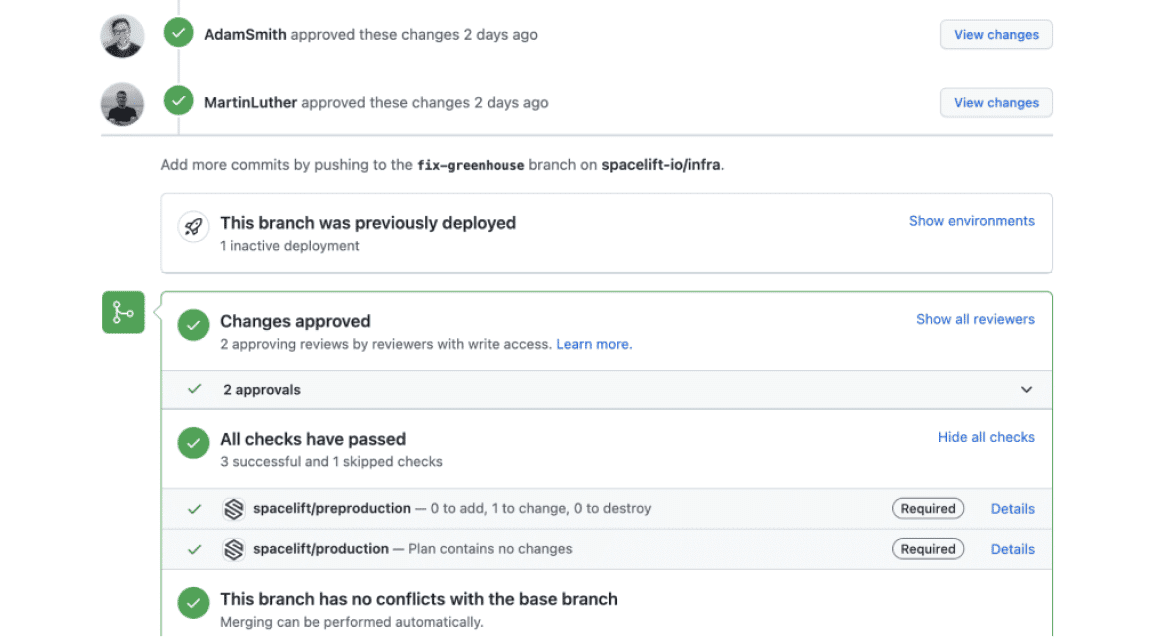
True GitOps
Other Terraform Cloud alternatives offer limited integration with Git providers, whereas Spacelift is truly GitOps Native. Push policies support any Git flow, including massive monorepos, and Spacelift uses your Git provider’s native APIs for full visibility into every deployment.
Proven at scale
Scaling is not where Terraform Cloud shines, and our customers confirm it. Spacelift customers spend 90% less time on cloud management and get up and running on AWS in half the expected time.
Terraform resources
How to Migrate From Terraform Cloud to Spacelift
If you want to migrate from Terraform Cloud, we are here to help - learn how to use our Spacelift Migration Kit to speed up the process.
If you want to migrate from Terraform Cloud, we are here to help - learn how to use our Spacelift Migration Kit to speed up the process.
Learn more
Top 10 Terraform Enterprise Alternatives
What is the best Terraform Enterprise (TFE) alternative? See the competitors and their features to find the right tool for your organization.
What is the best Terraform Enterprise (TFE) alternative? See the competitors and their features.
Learn more
Before You Renew Your Terraform Cloud Contract
What to check before renewing your Terraform Cloud contract: pricing, RUM billing, contract mechanics, and migration options.
What to check before renewing your Terraform Cloud contract: pricing, RUM billing, contract mechanics, and migration options.
Learn more
Why You Should Migrate From Terraform Cloud/Enterprise
Migrating off Terraform Cloud or Enterprise is a big decision, but pricing, limits, or platform concerns can make alternatives worth exploring.
Migrating off Terraform Cloud or Enterprise is a big decision, but pricing, limits, or platform concerns can make alternatives worth exploring.
Learn more
What our customers say
- "Spacelift has enabled Checkout to scale from a handful of deployments per day to averaging over 500 per day. People in my company who have never used IaC are configuring Spacelift in less than a day and starting to do deployments with no real hand-holding."Go to case study
- “The great thing about Spacelift is it does what we need it to do without getting in the way. Once we had it installed and configured, it faded into the background of our workflow, letting us operate more efficiently with no hassle.”Go to case study
- “We needed a way to create consistent run environments and provide auditing. And we increasingly needed to be able to hand off approvals for runs to developers and security staff. Spacelift has made it simple, so it’s had a positive impact on the company as a whole.”Go to case study
Book a technical demo and see Spacelift in action.
Frequently Asked Questions
What’s the core difference between Spacelift and Terraform Cloud?
Spacelift is a full orchestration layer that automates policy controls, workflows, and multi-tool IaC management, while Terraform Cloud is a hosted platform focused on executing and managing Terraform runs.
What’s the difference between Spacelift and Terraform Cloud in pricing and licensing?
Spacelift pricing is based on your plan and the number of workers you run, not the number of resources in your state or the size of your team. Terraform Cloud pricing has evolved from user-based tiers to plans that factor in managed resources and features. Terraform moved future releases to the Business Source License, which changes how commercial use is governed. Spacelift remains vendor-neutral, while Terraform Cloud aligns advanced Terraform capabilities with HashiCorp licensing.
Will my existing Terraform code and state work on Spacelift?
Yes, most teams bring existing repos and keep the same remote backend, then match Terraform versions and providers to avoid drift. Connect your VCS, point Spacelift at the current state backend such as S3, GCS, AzureRM, or TFC, and verify versions before first runs.
Is Spacelift a drop-in replacement for Terraform Cloud (HCP Terraform)?
Not exactly. Both handle the Terraform lifecycle, but Spacelift uses a different control model with richer pipeline logic and support for multiple IaC tools. Many organizations cover the same outcomes with Spacelift while gaining workflow flexibility.
What’s the migration path from Terraform Cloud to Spacelift?
Map each Terraform Cloud workspace to a Spacelift stack, reconnect your VCS, import or reference existing remote state, and move variables and credentials into Spacelift contexts. The Spacelift Migration Kit helps discover workspaces and generate stack configs to speed this up.