"With Spacelift, our platform team was able to deploy much faster and have better control over the resources that are deploying."
Spacelift is an infrastructure-as-code (IaC) management tool used to build multi-IaC workflows for Terraform, OpenTofu, Ansible, Kubernetes, Terragrunt, CloudFormation, and Pulumi. It integrates with your VCS provider and references a directory containing your IaC configuration. It creates a predefined workflow for deployments in any cloud provider, using one of the supported IaC tools.

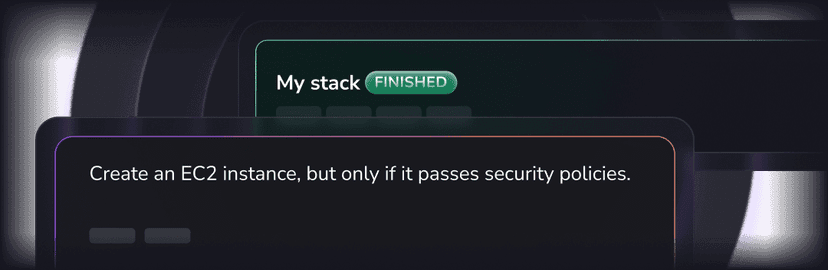

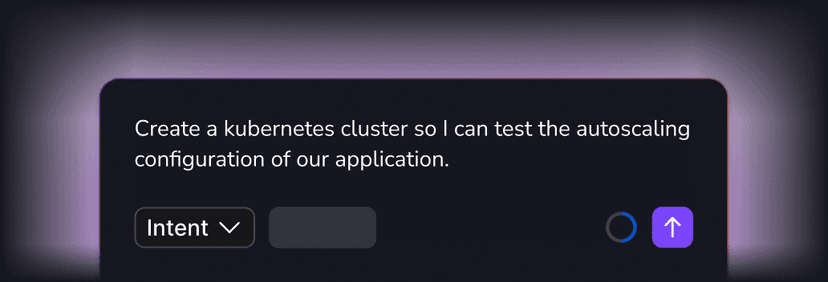
Even if you choose the traditional path, your AI assistant will be ready to help you at any time.


Centralized state management

Continuous monitoring

Drift detection

Resource visibility

Spacelift has enabled Checkout to scale from a handful of deployments per day to averaging over 500 per day.



















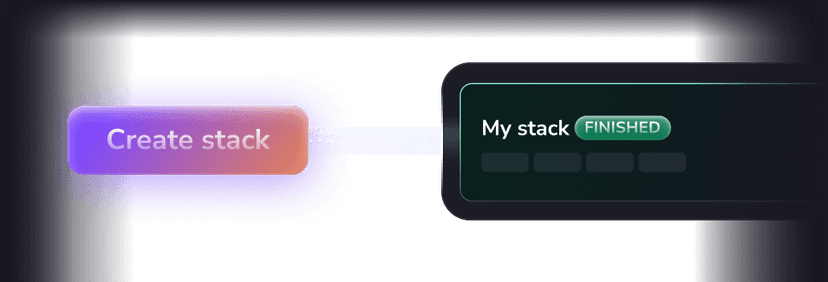
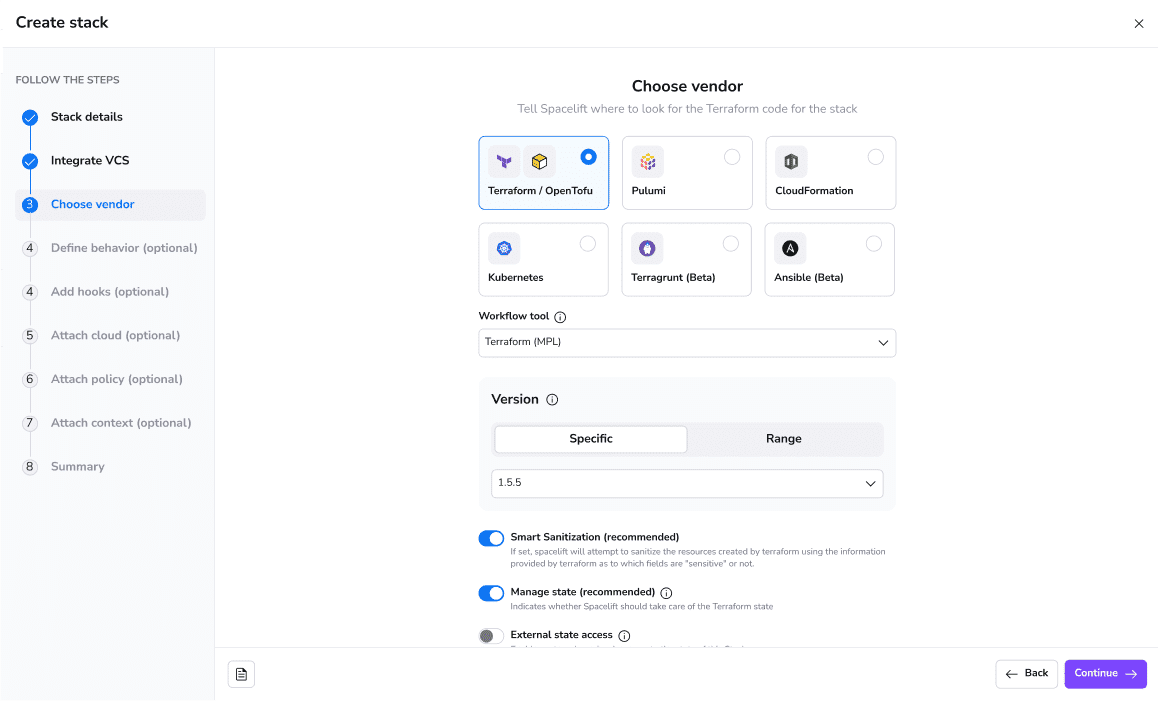
In Spacelift, stacks are responsible for configuring and deploying your workflow. With a full spectrum of tool integrations, you can have your choice of VCS provider and backend (Terraform, OpenTofu, etc.), configure versions, optionally configure what happens before and after every runner phase — and even attach cloud integrations for short-lived credentials, policies, and contexts.
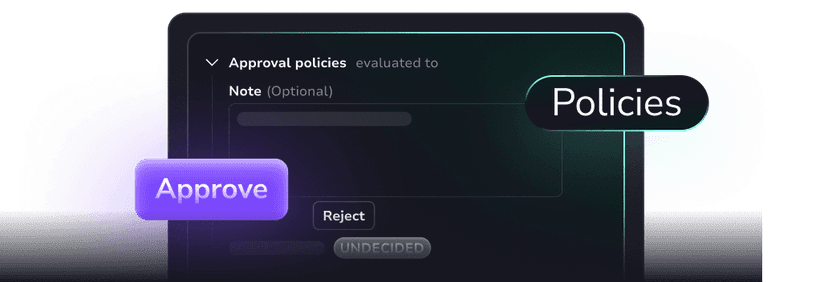
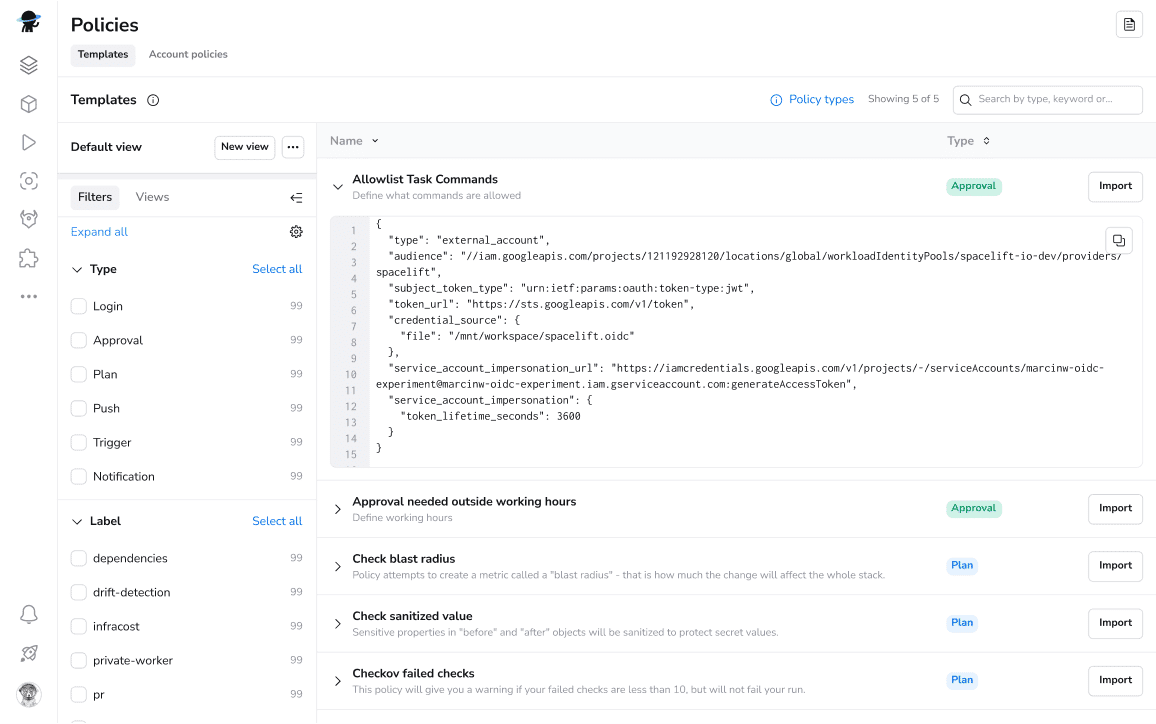
Use policy as code to define the types of resources your workflows can create, the resource parameters, the number of approvals required for a run, what happens when a PR is open against a branch, and where to send notifications. Attach policies from the following categories to as many stacks as you want:
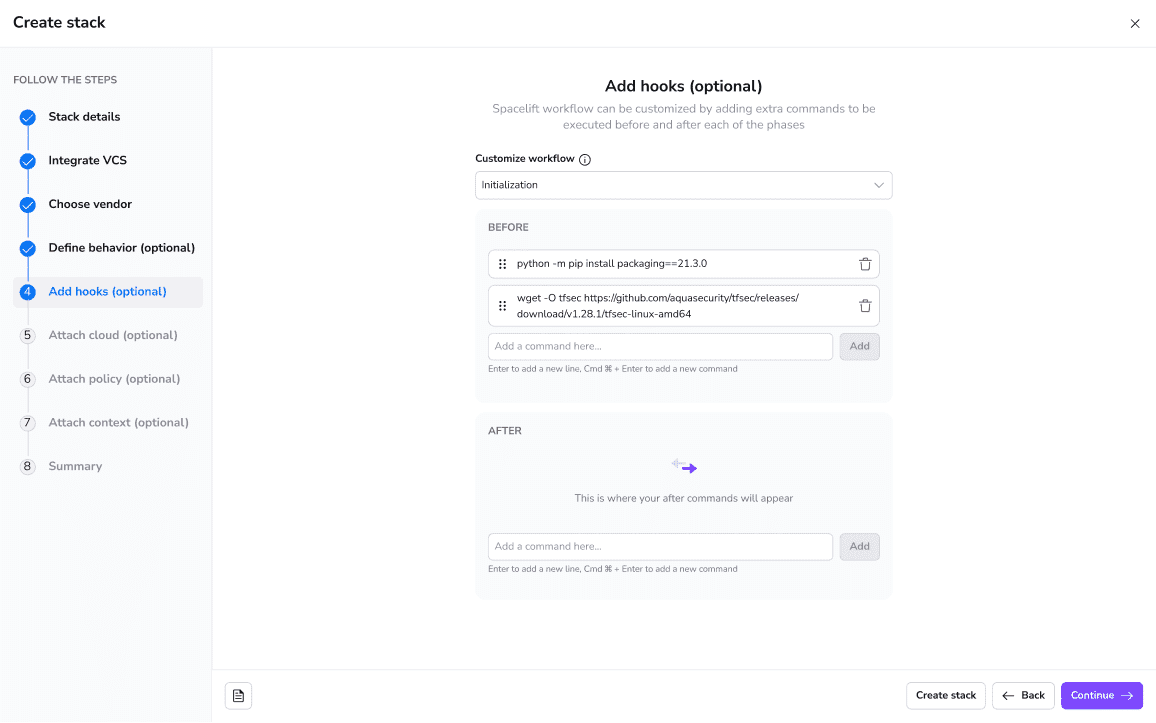
Add commands between your runner phases, bring your own image, or even configure the default workflow commands. This flexibility enables easy integration with any third-party tool. You can even define policies for workflows via custom inputs, and you never have to compromise.
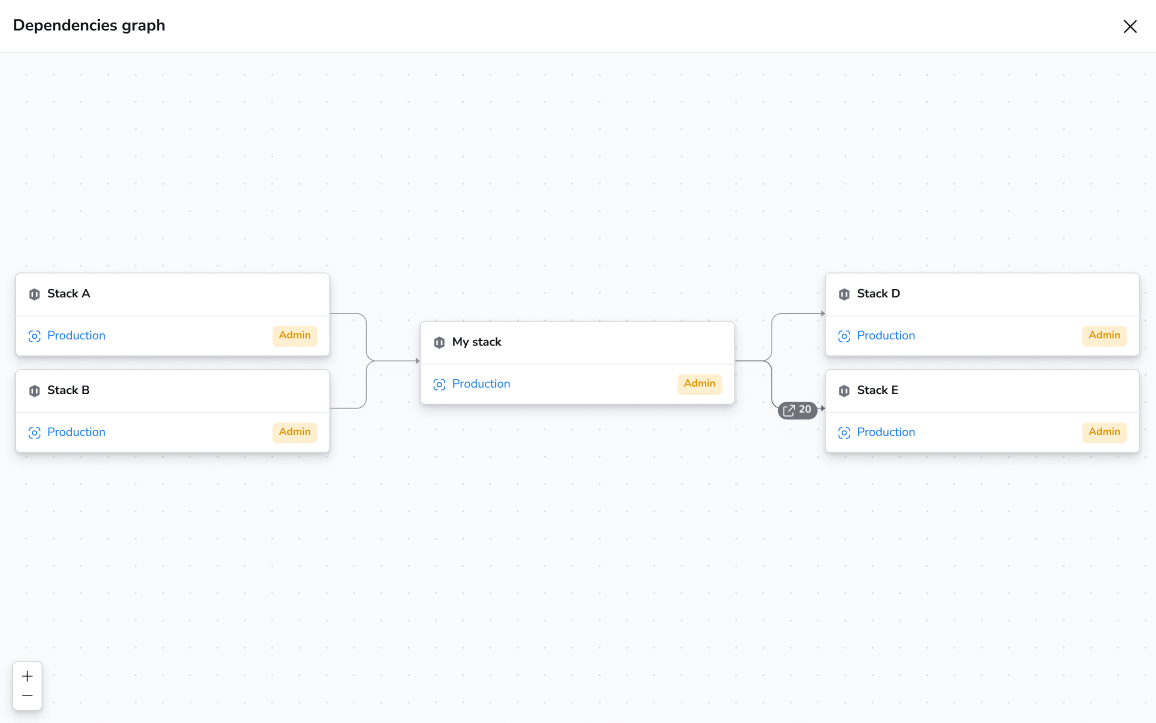
Use stack dependencies to easily configure your EC2 instances and K8s clusters. Share outputs between dependent stacks. Nest those dependencies to trigger runs on child stacks when the parent stack finishes a run successfully. Transform your monolith deployment into multiple micro-deployments, making it easy to identify where problems arise. Your workflow potential is limitless!
"With Spacelift, our platform team was able to deploy much faster and have better control over the resources that are deploying."
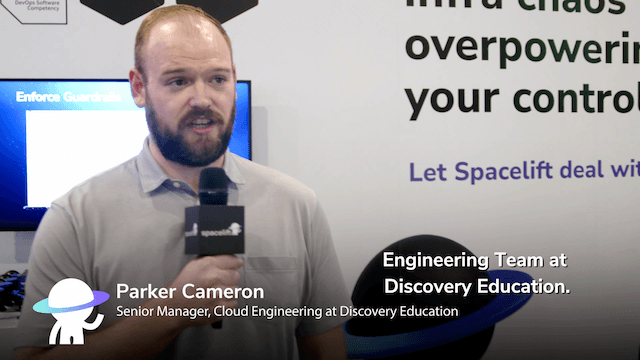
"Spacelift has been great in giving visibility and confidence in managing (IaC-deployed) resources and being sure that what you're running is what you need."
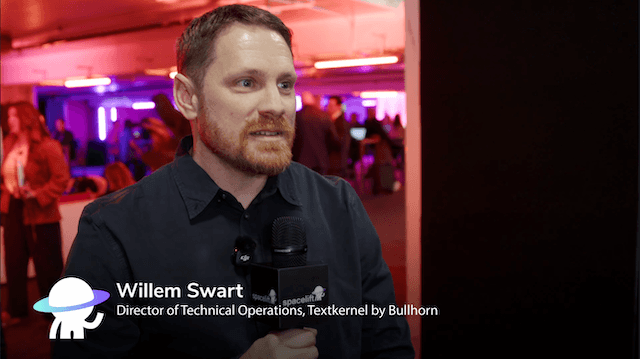
"Spacelift really provided the team with the right tools to do their jobs more efficiently and solve the problem of having control over IaC"

Spacelift is a valuable tool for DevOps engineers, as it helps them manage their infrastructure more efficiently and effectively. Explore its key features and read client's testimonials.
Spacelift is a valuable tool for DevOps engineers, as it helps them manage their infrastructure more efficiently and effectively. Explore its key features and read client's testimonials.
Learn more
Explore examples of self-service infrastructure, the problems it solved, and the improvements Spacelift can add with Blueprints, Spaces, Policies, and more.
Explore examples of self-service infrastructure, the problems it solved, and the improvements Spacelift can add with Blueprints, Spaces, Policies, and more.
Learn more
See the differences and similarities between Terraform Cloud workspaces and Spacelift stacks and examples of how to use them.
See the differences and similarities between Terraform Cloud workspaces and Spacelift stacks and examples of how to use them.
Learn more
Spacelift’s number one priority is and always will be security. Take a look at Spacelift security architecture and security features.
Spacelift’s number one priority is and always will be security. Take a look at Spacelift security architecture and security features.
Learn moreSpacelift is a control plane that executes runs on workers. You can use shared workers or run private worker pools in your cloud for full data path control, with end-to-end encryption of run payloads. If your repos are private to the internet, a lightweight VCS agent lets Spacelift reach them securely.
A stack is an isolated unit that combines your IaC repository, current state, and configuration, such as environment variables and mounted files. It is the primary entity you operate on in Spacelift.
Spacelift supports Terraform, OpenTofu, Terragrunt, Pulumi, AWS CloudFormation, Kubernetes, and Ansible, so you can standardize workflows across mixed tooling.
A run is a job that can preview or change infrastructure. Common types are proposed runs for safe previews and tracked runs for actual deployments, with optional approvals in between.
Spacelift detects drift by executing scheduled proposed runs against finished state and flagging any differences. You can review findings in the UI and optionally reconcile, and it works on private workers.
Connect your Git provider and select the repo. Spacelift supports GitHub, GitLab, Bitbucket, and Azure DevOps, including self-hosted and SSH.
Use Contexts to share environment variables, mounted files, and hooks across stacks and modules. Attach a context wherever you need it to avoid copy-pasting configuration.
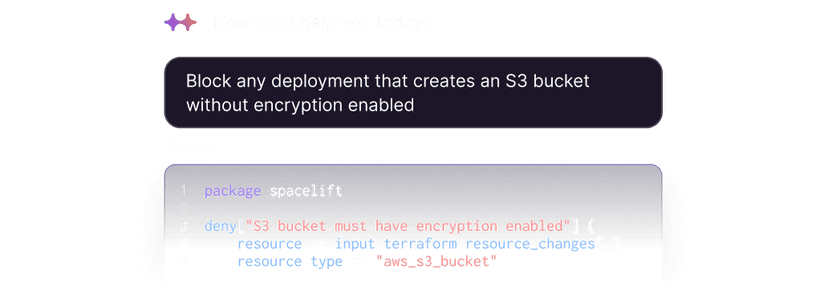
Spacelift uses Open Policy Agent with Rego to enforce rules at every stage. You write readable policies that check plans, control who can approve or apply, govern which stacks can touch which accounts, and block risky changes before they land. Policies evaluate in the worker context with full input data, return clear messages to engineers, and become part of your compliance record.
Yes. There is a self-hosted edition that you install in your own infrastructure with provided images and templates for clouds like AWS, GCP, and Azure, as well as on-premise Kubernetes environments.